A new shooter’s first target rarely tells the whole story. A large group, a low shot, or a few misses can feel discouraging, especially when you are preparing for a Texas License to Carry proficiency demonstration. The most useful beginner shooting progress examples are not about becoming a competition shooter overnight. They show safer gun handling, better control, and the ability to make deliberate shots under normal range conditions.
For many first-time gun owners, progress begins before the first live round is fired. Learning how to safely handle, load, unload, and clear a handgun is a real achievement. So is understanding what the sights are telling you and knowing when to stop, ask a question, and correct a problem. Good instruction turns those small wins into repeatable habits.
What Real Beginner Shooting Progress Looks Like
Shooting progress is not always a straight line. One day, your shots may be centered and consistent. On another day, you may anticipate recoil or grip the pistol too tightly and see your group shift. That is normal. The goal is to identify the cause, make one correction at a time, and see more consistency over several sessions.
A beginner generally progresses through three areas: safety, mechanics, and confidence. Safety comes first every time. A shooter who keeps the muzzle in a safe direction, keeps their finger off the trigger until ready to fire, and follows range commands is building the foundation that matters most.
Mechanics come next. This includes stance, grip, sight alignment, sight picture, trigger press, and follow-through. Confidence develops when those fundamentals start working together. It does not mean being careless or overconfident. It means you can handle your firearm calmly, understand the process, and make safe decisions without feeling rushed.
Beginner Shooting Progress Examples From the Range
Example 1: From nervous handling to safe, deliberate handling
A first-time shooter may arrive unsure how to hold a handgun, where to place their hands, or what will happen when the gun fires. At the beginning, they may need reminders about finger placement and keeping the muzzle pointed downrange.
By the end of a lesson, a meaningful improvement might be loading a magazine with guidance, inserting it correctly, chambering a round when instructed, and placing the firearm safely on the bench when finished. The shooter may still be nervous, but they are no longer guessing. That is substantial progress.
Example 2: From scattered shots to a visible group
Many beginners expect every bullet to land in the center immediately. That is not a realistic standard. A better early goal is grouping: placing several shots within the same general area of the target.
For example, a shooter may begin with shots spread across an entire target at close range. After a few adjustments to grip and trigger press, the next group may be concentrated in an 8- to 10-inch area. It may not be perfectly centered yet, but it shows the shooter is repeating the same actions more consistently. Centering the group can come after consistency.
Example 3: Correcting a low-left or low-right pattern
Right-handed shooters often place early shots low and left because they are tightening their fingers or anticipating recoil during the trigger press. Left-handed shooters may see the opposite pattern. The target provides feedback, but it is not a diagnosis by itself.
An instructor may have the shooter slow down, establish a firmer support-hand grip, and press the trigger straight to the rear without trying to force the shot. When the next group moves closer to center, the shooter has learned something more valuable than a score: they understand how their input affects the firearm.
Example 4: Building control at more realistic distances
Close targets help beginners learn fundamentals, but progress eventually means applying those fundamentals at greater distance. A shooter who can make controlled hits at three yards may move to five, then seven yards as their skills improve.
The trade-off is simple: greater distance exposes mistakes. A small movement of the sights or a rushed trigger press becomes more noticeable. That is not failure. It gives the shooter a clear reason to slow down, confirm the sight picture, and use the same reliable process for every shot.
Example 5: Completing a controlled string of fire
LTC proficiency demonstrations involve following instructions and firing within a course of fire. A beginner may be able to make one good shot but lose focus when asked to fire several shots in sequence.
Progress can look like listening to the command, bringing the firearm up safely, firing the required number of rounds without rushing, and returning to a safe position. Accuracy still matters, but composure matters too. The shooter is showing that they can follow a process rather than react to pressure.
What to Track Between Practice Sessions
Do not judge every range trip by the single best target you shoot. Save targets or take a photo and make a few notes after each session. Record the distance, firearm used, ammunition type, and the specific skill you worked on. A short note such as “shots moved left when I rushed” can be more useful than simply writing down a score.
Pay attention to where your shots land and how they feel. If your groups are consistently low, that can point to anticipation, an inconsistent sight picture, or an issue with trigger control. If the group is centered but wide, work on making your grip and trigger press more repeatable. Changing several things at once makes it harder to know what helped.
Also track handling skills. Can you safely load and unload with less assistance? Do you understand range commands? Can you identify when the firearm is empty and keep it pointed safely downrange? These are practical signs of progress that do not always show up on paper.
A Better Goal Than Chasing the Bullseye
For a beginner preparing for Texas LTC training, the goal is not perfection. It is safe, responsible competence. You should be able to follow directions, operate your firearm safely, and place shots accurately enough to meet the required standard.
That standard should not be treated as the finish line for training. A proficiency demonstration confirms that you met a requirement on that day. Continued practice helps you retain safe handling skills and improve your ability to make accurate, accountable shots.
Some shooters improve quickly with one private lesson and a few practice sessions. Others need more time, especially if they are managing nerves, weak hand strength, vision concerns, or unfamiliarity with firearms. There is no benefit to comparing your first day to someone else’s tenth year of shooting. Train at a pace that keeps safety and sound technique in place.
How Instruction Speeds Up Safe Progress
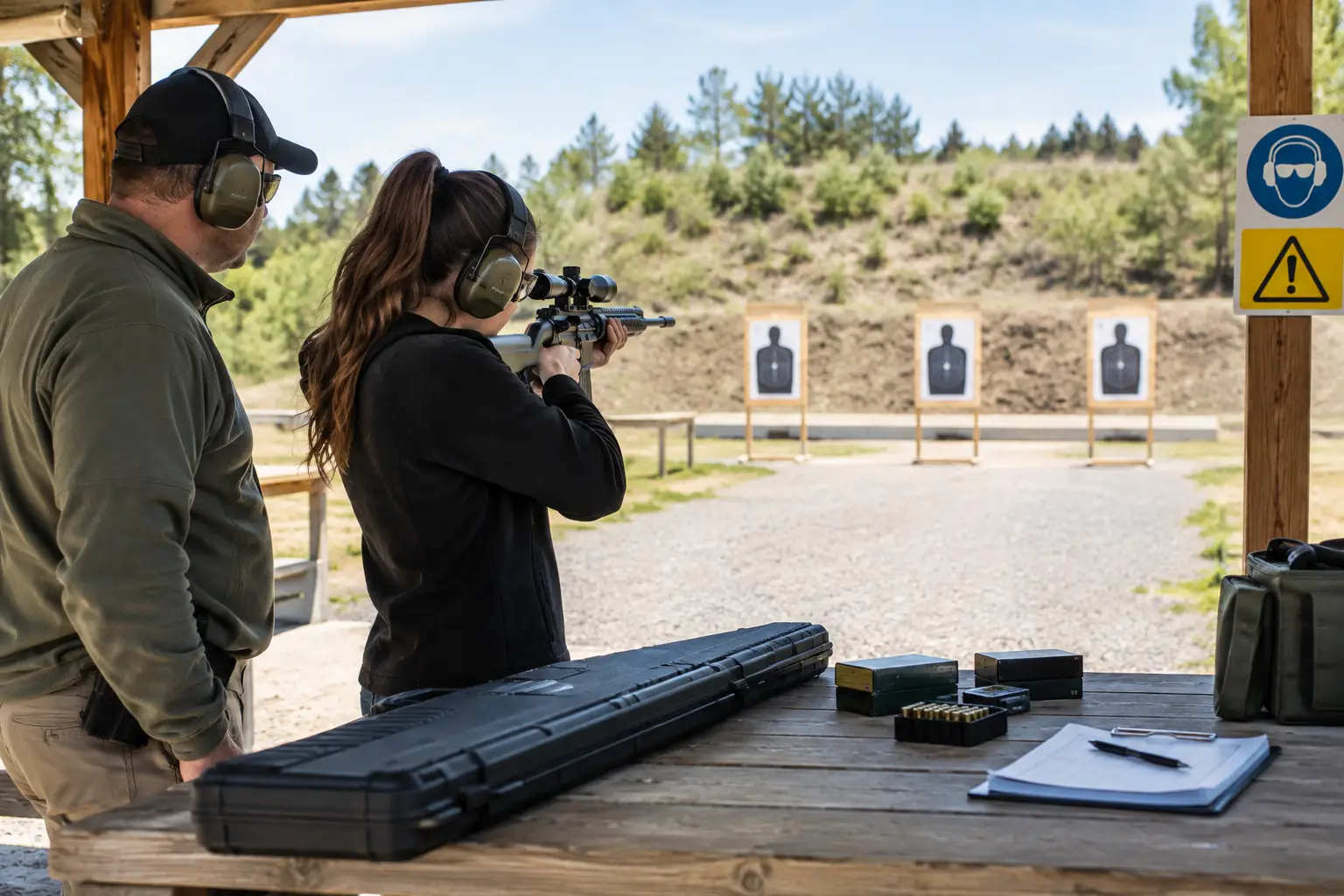
Practicing the wrong habit repeatedly can make progress slower. A qualified instructor can watch your grip, stance, sights, and trigger press from a perspective you cannot get while shooting. Small adjustments can produce immediate improvements, but more importantly, they give you a method to use on your own.
At The Burns Group, beginner instruction is designed for people who may have never fired a handgun before. The focus is straightforward: safe gun handling, clear coaching, and practical preparation for the range portion of the Texas LTC process. You do not need to arrive as an experienced shooter to begin building reliable skills.
A target with a few imperfect holes does not define your ability. The next safe decision, the next controlled trigger press, and the next tighter group are what move you forward. Give yourself permission to learn the fundamentals correctly, and let steady progress do the talking.
Leave a Reply