
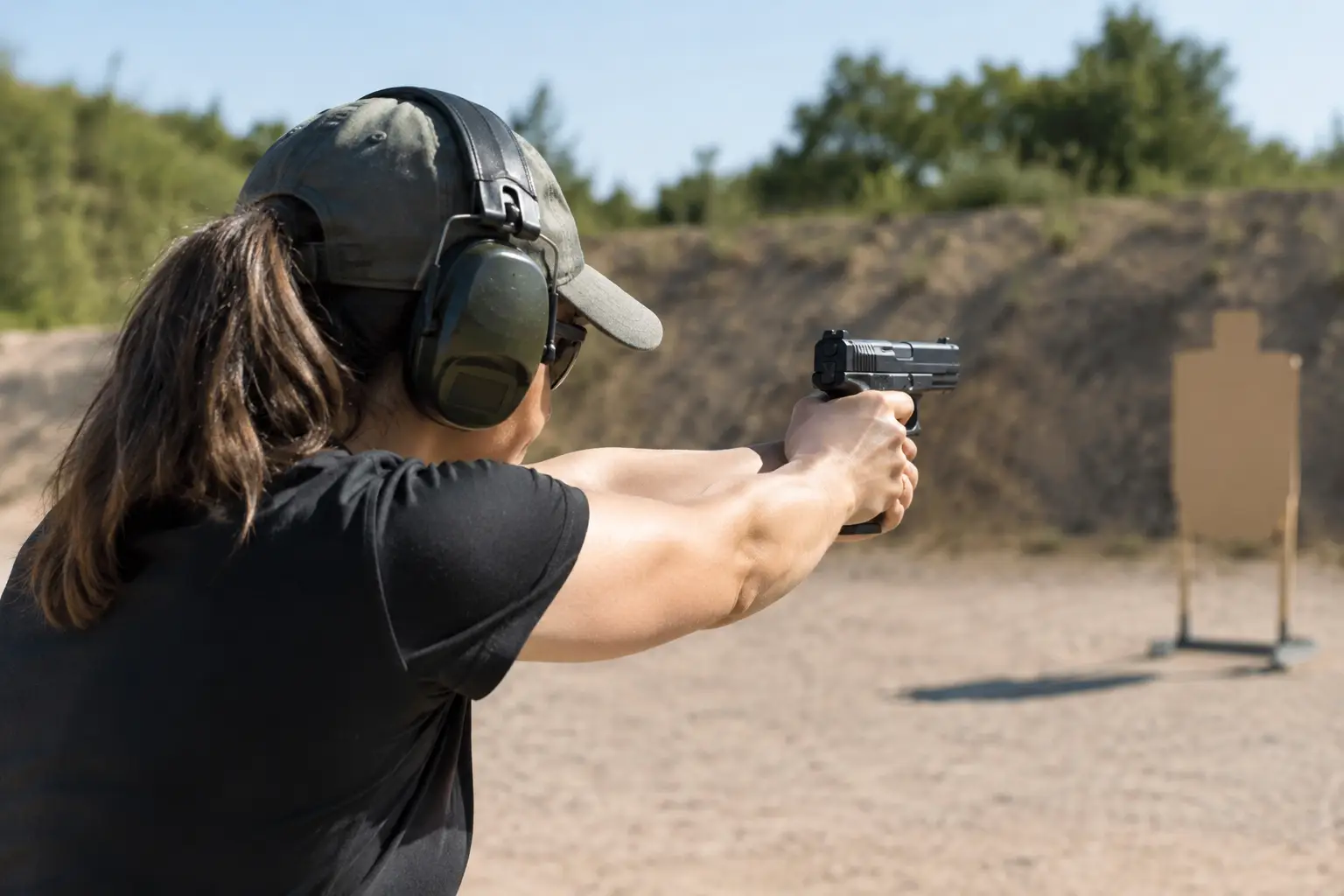
A firearm kept for personal protection should never be treated like a shortcut to confidence. Defensive shooting basics begin well before a person steps onto a firing line. They start with safe handling, sound judgment, a clear understanding of the law, and the willingness to avoid a dangerous situation whenever possible.
For new Texas gun owners, that can feel like a lot to learn at once. The good news is that responsible training breaks it into manageable pieces. You do not need prior shooting experience to build safe habits, but you do need patient instruction and regular practice.
Defensive Shooting Basics Start With Safety
Every useful defensive skill rests on consistent firearm safety. Safe handling is not something you turn on at the range and forget at home. It is the standard you use every time you handle, store, transport, clean, or discuss a firearm.
Treat every firearm as if it is loaded. Keep your finger off the trigger until you have made the conscious decision to fire. Never point the muzzle at anything you are not willing to destroy. Know what is in front of and beyond the intended target. These rules work together. Skipping even one creates unnecessary risk.
Safe storage is part of defensive responsibility, too. A defensive firearm must be secured from children, unauthorized adults, and anyone who should not have access to it. At the same time, owners need a storage solution they can operate reliably under normal conditions. The right choice depends on your household, your local environment, and who else may be present in the home.
A quality course should make safety practical, not intimidating. A good instructor corrects problems early, explains why a rule matters, and gives beginners enough repetition to make safe handling feel normal.
A Defensive Mindset Is Not a Fighting Mindset
The purpose of carrying or keeping a firearm for protection is to preserve life, not to win arguments, prove a point, or respond to insults. The strongest defensive decision is often to leave, create distance, secure yourself, call 911, or find a safer position.
That mindset matters because real situations are uncertain. You may have incomplete information. Other people may be nearby. Conditions may be dark, noisy, and confusing. A firearm cannot solve every threat, and drawing or displaying one can escalate a situation quickly.
Awareness helps reduce the chance of reaching that point. Pay attention to where you park, who is around you, whether an area feels unsafe, and where exits are located. Avoid distractions when moving between your vehicle, home, workplace, and public spaces. These are simple habits, but they give you more time to make good decisions.
Defensive training should also include emotional control. Stress affects memory, communication, and physical coordination. The goal is not to become fearless. It is to recognize stress, slow down when possible, and make choices based on safety and legality instead of panic.
Build Safe, Repeatable Range Skills
A first range visit should focus on control, not speed. New shooters benefit from learning how their specific firearm operates, how to load and unload it safely, how to confirm its condition, and how to follow range commands. These are fundamental skills that should be practiced under qualified supervision.
Accuracy matters, but it is only one part of responsible shooting. Safe muzzle direction, trigger discipline, proper eye and ear protection, and the ability to stop when something does not feel right are just as important. There is no prize for rushing through a drill or pretending to understand a step you have not learned.
A private lesson can be especially valuable for someone who is nervous, returning to shooting after years away, or unsure which questions to ask. Personalized coaching lets an instructor address the habits that affect safe performance, including grip, body position, sight use, recoil management, and follow-through, at a pace the student can handle.
Do not confuse a required proficiency demonstration with complete defensive preparation. Meeting a state standard can show that you completed a required step, but responsible gun ownership requires continued learning. Range time should reinforce safe, deliberate habits rather than turn into casual target shooting without a purpose.
Practice With a Purpose
Each practice session should have a simple objective. One visit may focus on safe gun handling and range procedures. Another may focus on improving consistency at a reasonable pace. Keep the standards realistic, especially when you are new.
It also helps to use the same equipment you plan to rely on. If you own more than one firearm, understand that controls, sights, size, and recoil can differ. Familiarity matters, but it should never become complacency. Follow the same safety process every time, even with a firearm you have handled hundreds of times.
Understand the Legal Side Before You Carry
Texas firearm laws and use-of-force laws are serious subjects. Owning a firearm or holding a License to Carry does not give someone permission to use force whenever they feel threatened, offended, or afraid. Legal self-defense depends on specific facts, including what a reasonable person would believe under the circumstances.
Responsible owners should understand the difference between avoiding a confrontation and responding to an immediate threat. They should also know that force can carry life-changing legal, financial, and personal consequences, even when someone believes they acted lawfully.
Texas laws can change, and individual circumstances vary. Training is a useful foundation, but it is not personal legal advice. If you have questions about a specific situation, prohibited locations, travel, storage, or use-of-force concerns, speak with a qualified Texas attorney or seek current guidance from an authoritative source.
For License to Carry students, the legal portion of the course deserves the same attention as the shooting portion. The classroom material explains responsibilities that can matter long after a range qualification is complete. Take notes, ask questions, and do not rely on rumors or social media posts for legal guidance.
Choose Training That Matches Your Experience
Beginners need a different experience than someone preparing to refresh established skills. A first-time shooter may need help becoming comfortable with range procedures and firearm operation. A more experienced shooter may benefit from an instructor identifying small habits that have become inconsistent over time.
The best training environment is one where questions are welcome. You should not feel pressured to move faster than you can safely learn. An experienced instructor can make the process clear without talking down to you, whether you are completing Texas LTC requirements or taking a standalone shooting lesson.
For local students in Humble and nearby Houston-area communities, The Burns Group combines the convenience of online LTC coursework with hands-on range instruction and required proficiency qualification. That structure gives beginners time to learn the classroom material at their own pace, then receive in-person support where it counts.
Keep Building Confidence the Right Way
Confidence with a firearm should come from preparation, not from carrying more often or talking bigger. It grows when you know your equipment, follow safety rules automatically, understand your legal responsibilities, and can recognize when avoidance is the better answer.
Start where you are. Ask the basic questions. Practice deliberately with a qualified instructor. The goal is not to look experienced on day one. The goal is to become the kind of responsible gun owner who makes safe decisions before, during, and after every trip to the range.
Leave a Reply