A first trip to the range can feel like a lot at once. You may be thinking about safety rules, how a handgun works, whether you will be expected to know what to do, and how the shooting requirement fits into a Texas License to Carry application. Good Kingwood firearms training makes that first visit clear and manageable instead of intimidating.
For many local residents, the goal is straightforward: complete the required education, learn to handle a firearm safely, and build the confidence to make responsible decisions. The right training should meet you where you are. That applies whether you have never held a handgun, own one but have not practiced much, or simply need to complete a proficiency qualification after taking the classroom portion elsewhere.
What practical firearms training should provide
A Texas License to Carry course is more than a box to check. It is an opportunity to understand the responsibilities that come with carrying a handgun and to demonstrate safe, basic shooting proficiency. The classroom portion covers the state-required subjects, while the range portion confirms that you can handle and fire a handgun safely under an instructor’s direction.
For a beginner, the best instruction does not assume prior knowledge. You should have an instructor who explains how to safely handle the firearm, load and unload it as appropriate, establish a stable shooting position, operate the controls, and follow range commands. Questions are part of the process. A patient instructor can correct a small issue early, before it becomes a frustrating habit.
Experienced shooters need practical coaching, too. Familiarity is not the same as consistent technique. A lesson can identify issues with grip, trigger control, sight alignment, recoil management, or follow-through that are affecting accuracy. The objective is not to impress anyone at the range. It is to become safer, more deliberate, and more capable.
A convenient path for Kingwood LTC students
Time is often the biggest barrier for working adults and busy families. That is why an online Texas-approved LTC class can be a practical option. You can complete the classroom coursework at your own pace on a phone, tablet, or computer rather than setting aside an entire day for a traditional classroom session.
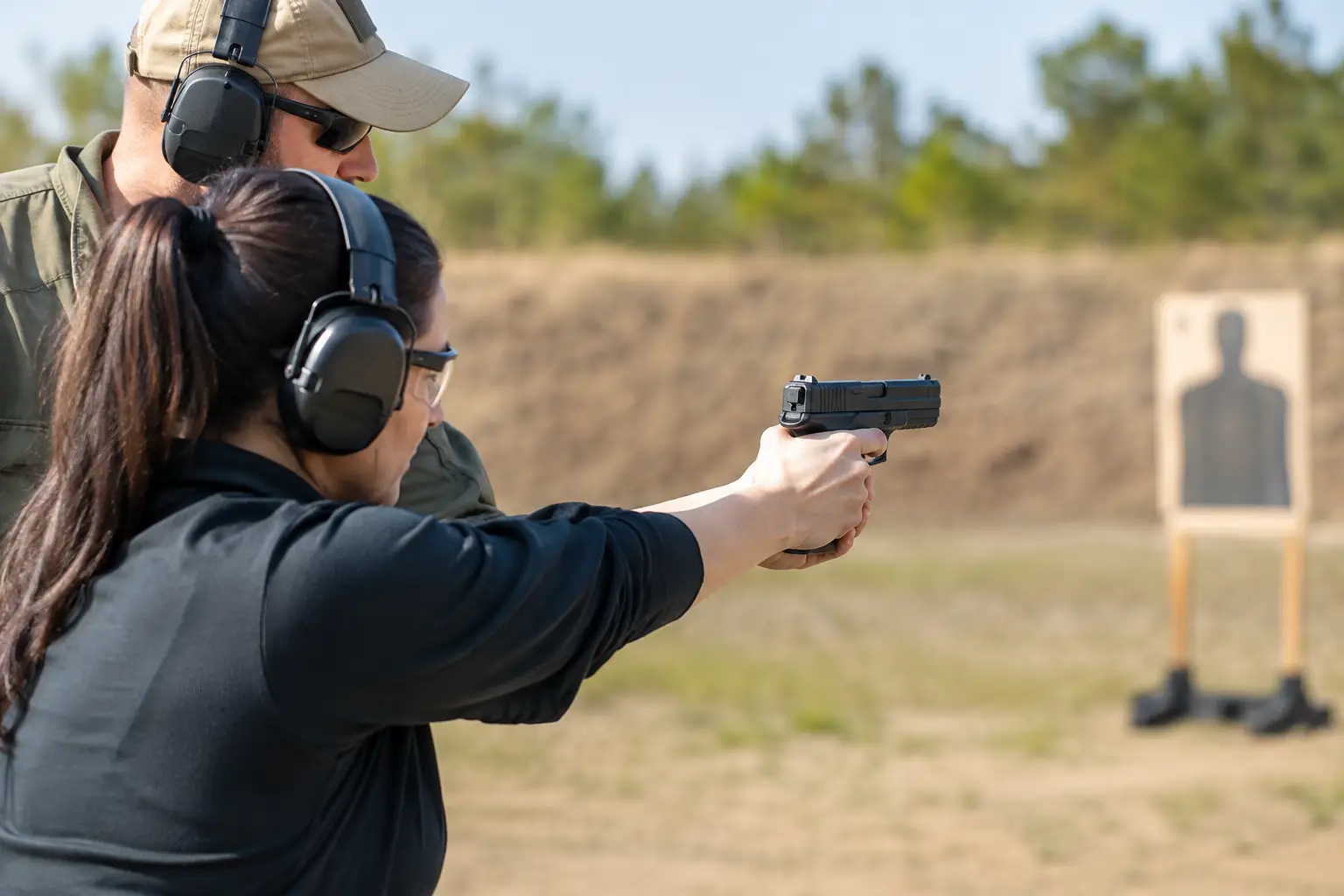
The in-person portion still matters. After the online class, students attend a review, receive a short shooting lesson, and complete the required proficiency demonstration at an indoor range in Humble. That combination gives students flexibility without losing the personal instruction that matters most when it is time to handle a firearm.
The Burns Group offers this state-approved online LTC class for $99. The format is designed for students from Kingwood and nearby communities who want a clear process and direct instructor support. If you are completely new to shooting, say so when you schedule. There is no advantage in pretending you have more experience than you do. The lesson should start at your actual skill level.
Completing the course is one part of the larger LTC process. Students must also meet Texas eligibility requirements and complete the application process with the appropriate state agency. Firearms laws and administrative requirements can change, so training is a good time to ask questions and make sure you understand your next steps. Training can explain the course and safe firearms practices, but it is not a substitute for personal legal advice.
What happens during the range portion
The range portion is structured, not a test of whether you are already an expert shot. Your instructor will review safety expectations and range procedures before live fire begins. You will receive direction on the course of fire and be expected to follow commands carefully.
A short lesson before qualification is especially valuable for first-time shooters. It gives you time to become familiar with the handgun and correct basic technique before moving into the proficiency demonstration. Small adjustments in hand placement, body position, or trigger press can make a noticeable difference.
You may use your own handgun if it is suitable and safe for the course. If you do not own one yet, ask about available options before your appointment. Do not wait until range day to find out what you need to bring. Confirm the firearm, ammunition, eye and ear protection, identification, and any course-completion documentation required for your session.
Most importantly, arrive ready to listen. Safe shooting is a discipline. Keep the firearm pointed in a safe direction, keep your finger off the trigger until you are ready to fire, know the condition of the firearm, and follow every range command. Those habits matter far beyond the qualification lane.
Training choices beyond an LTC course
Not every student needs the same service. Someone who completed the classroom instruction through another approved provider may only need a standalone range qualification. That can be an efficient option when you already have the required education but still need to complete the shooting portion with a qualified instructor.
Others need more than the minimum qualification. A private beginner lesson can slow the process down and focus on safe handling, confidence, and fundamental accuracy. An intermediate lesson can focus on consistency and correcting specific problems. More advanced instruction can help experienced shooters sharpen their technique with purposeful coaching.
There is a trade-off to consider. An LTC qualification is designed to confirm baseline proficiency, not to replace a dedicated shooting lesson. If you feel nervous about manipulating a handgun or have never fired one, a lesson before the qualification may be the better choice. It gives you room to learn without feeling rushed by a required course of fire.
How to prepare for your first lesson
Preparation does not mean you need to know how to shoot before you arrive. It means giving yourself enough time, bringing what has been requested, and coming with an open mind. Wear comfortable clothing and closed-toe shoes. Avoid loose items that could interfere with eye or ear protection, and plan to arrive early enough that you are not distracted or rushed.
If you have a firearm at home and are unfamiliar with it, do not experiment with loading or disassembling it before your lesson just to prepare. Bring it unloaded and cased according to the instructor’s directions, and let the instructor walk you through safe handling. If you are unsure how to transport it safely, ask before the appointment.
It also helps to define your goal. Are you pursuing an LTC, looking for a safer introduction to a new handgun, or trying to improve accuracy? A clear goal helps the instructor spend time on what will benefit you most. Honest communication works better than trying to guess what you are supposed to know.
Responsible carry starts with judgment
A license does not make someone prepared for every situation, and range accuracy is only one part of responsible firearm ownership. Responsible carry includes secure storage, ongoing practice, awareness of applicable laws, and the judgment to avoid unnecessary conflict whenever possible.
Training should increase confidence without creating overconfidence. The point is not to treat a firearm casually or see it as the answer to every concern. The point is to understand safe handling, legal responsibilities, and the serious commitment involved in carrying or owning a handgun.
For Kingwood firearms training, look for an instructor who is direct about those responsibilities while still making room for beginners to learn. Start with the training that fits your experience, ask the questions you have, and give yourself permission to build skill one safe, deliberate step at a time.
Leave a Reply